


Abu Dhabi’s Green Stars: what the school sustainability rating tells parents
3 min read
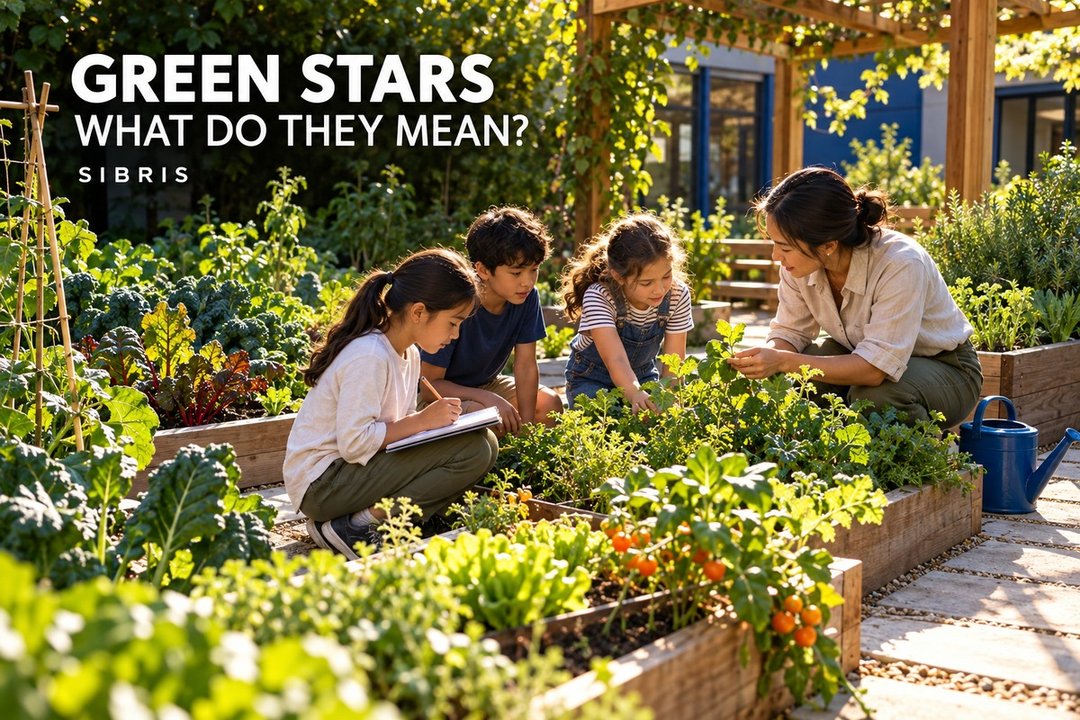
The Environment Agency – Abu Dhabi has announced Green Stars results for the 2025–2026 Sustainable Schools Initiative cycle. The rating concerns sustainability work across school operations, learning and student activities. Parents can use it as a starting point for a conversation about environmental practice, while keeping it separate from questions about academic provision and a child’s individual needs.
The initiative assesses five components: the Green School Audit, Eco Clubs, teacher training, field trips and Lead Schools. Ratings of one to five stars reflect performance and improvement. Six and seven stars recognise Lead Schools that mentor others and extend their work across a wider network. A seven-star label therefore includes a role beyond the school’s own campus.
Read the participation numbers carefully. The announcement lists 133 participating schools, of which 84 were eligible for a rating; 69 received five stars or more. Another 49 completed their first year and are due to become eligible next year. A missing rating for a first-year participant should not be read as a zero-star result.
For a school visit, turn the label into an example. Ask which recent student project changed something on campus, what pupils actually did, and how the school checked the result. A description of one completed activity can be easier to understand than a collection of environmental slogans.
If a school quotes a water, waste or green-space figure, ask what it measures and over which period. Does it describe that campus or the whole initiative? Is it a total or a change from an earlier year? The programme’s aggregate achievements should not be presented as the output of every participating school.
For an Eco Club, ask how children join and what participation looks like during a normal term. For field trips, ask what is currently planned for your child’s year group and how families receive the practical details. These are suggested parent questions; the awards announcement does not confirm any particular school’s next trip or club timetable.
At a Lead School, ask what sharing practice with another school involves. A joint project, a teacher exchange or a documented improvement can each tell a different story. Request a concrete example rather than assuming the highest star number means every environmental activity is available to every pupil.
Keep the reporting cycle beside the rating when comparing schools or reading a later update. Then combine this evidence with the school’s current information on teaching, support and your family’s priorities. A focused sustainability award is useful precisely when its meaning stays clear.
Cover: an original AI-generated conceptual illustration of a school garden activity. It does not depict an award-winning campus, named students or an official Green Stars assessment.
Sources & further reading
 Illustration
Mubadala Bio and Lilly: read the packaging and logistics scope first
A practical guide to the Abu Dhabi announcement: the named activities, the KEZAD site figure and the questions that remain open.
2 min read
Read story Illustration
Beyond the green claim: what a sustainability award recognises
ADSG’s latest awards distinguish energy management, reporting and leadership. Use that distinction when reading a company’s environmental claims.
2 min read
Read story Illustration
The Emirati Education Forum: five useful questions for families
A new Abu Dhabi forum puts families alongside teachers and policymakers. Use its themes to prepare specific questions for your next school conversation.
2 min read
Read story